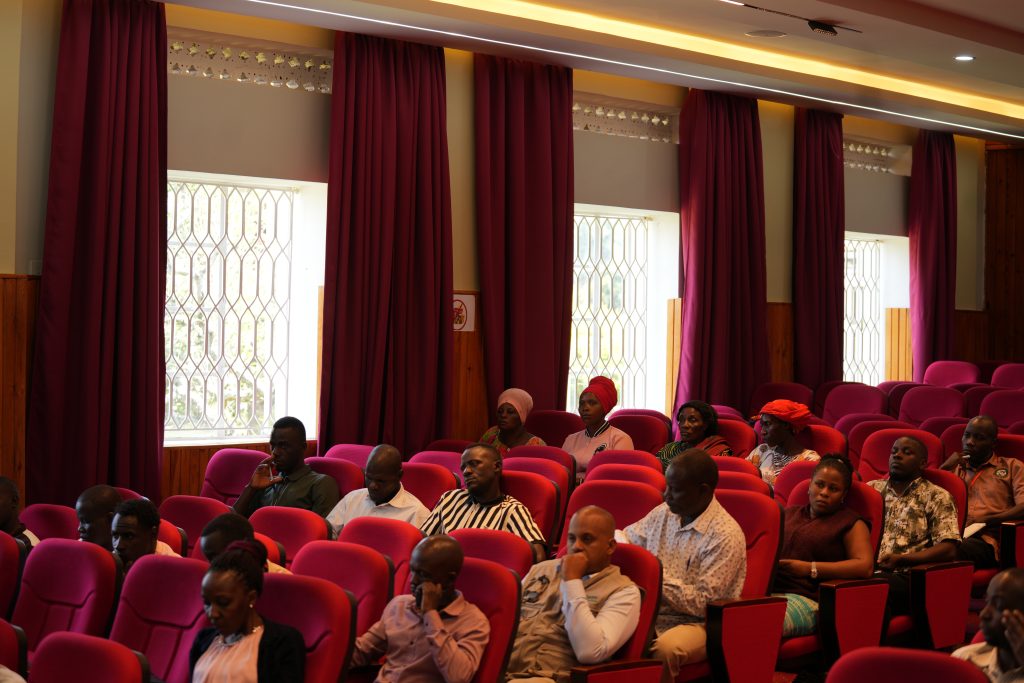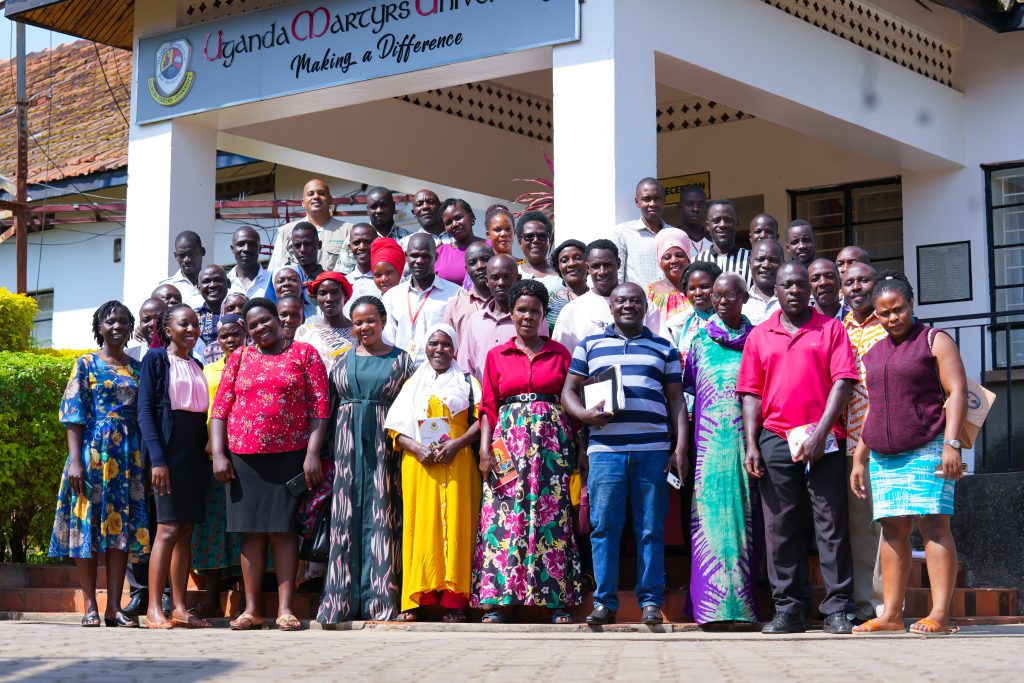
Uganda Martyrs University (UMU) has disseminated findings from a baseline study on community seed systems among maize farmers in Mityana and Mpigi Disctricts, providing a platform for farmers, researchers, seed industry representatives and other stakeholders to discuss challenges affecting access to quality seed and identify practical solutions for strengthening community seed systems. The dissemination meeting, held on 30 July 2026 at the UMU Cardinal Wamala Auditorium, was conducted under the TAGDev 2.0 Programme, with support from the RUFORUM.
The activity followed a baseline study conducted among maize farmers to understand existing seed production, access, utilisation and preservation practices, as well as the availability of community seed systems and challenges affecting seed quality and availability. The dissemination provided an opportunity to take the findings back to the communities that participated in the study, validate the results and jointly identify practical interventions.
The meeting brought together maize farmers who participated in the baseline study, representatives from Uganda Martyrs University, TAGDev 2.0 Programme staff, researchers, seed industry representatives and other stakeholders involved in agricultural development.
Connecting research with farmers’ experiences
In his opening remarks, the DVC Rev. Dr. Christopher Mukiidi emphasised the need for agricultural practices and seed systems to respond to changing climatic conditions. He noted the gradual disappearance of indigenous seed varieties and highlighted the importance of preserving valuable local genetic resources while embracing improved technologies that can enhance productivity.
He further emphasised that the ultimate goal of the study was to contribute to improving farmers’ livelihoods through evidence-based interventions. He called for stronger collaboration among Uganda Martyrs University, government institutions, research organisations such as NARO, private seed companies including NASECO, and farming communities.
The DVC also acknowledged the role of the TAGDev 2.0 Programme in connecting the University with farming communities, underscoring the importance of partnerships that enable universities to take research beyond academic spaces and into communities where it can inform practical solutions.
The baseline findings were presented by Ms. Juliet Nambuubi, the Team Lead, who took participants through the rationale and methodology of the study, its major findings and recommendations. The presentation examined farmers’ seed-sourcing practices, seed preservation methods, access to quality seed, the status of community seed systems, and opportunities for strengthening community-based seed systems, including gender and inclusion considerations.
Farmers bring their experiences to the conversation
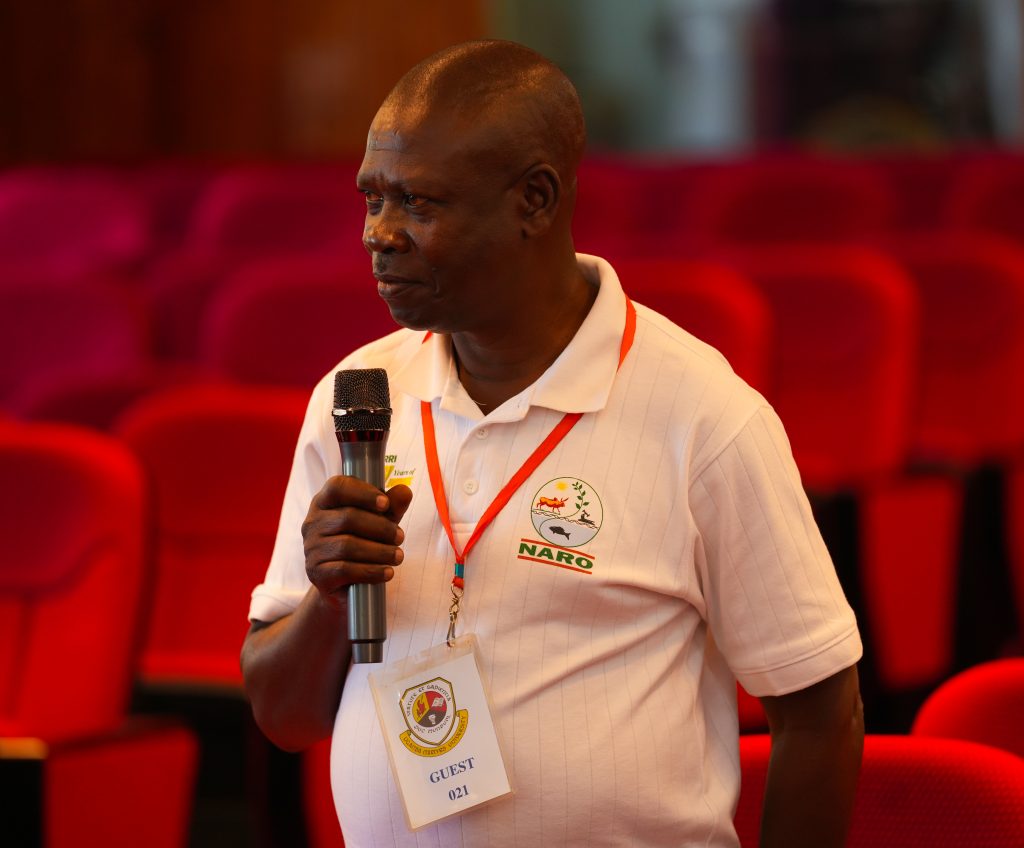
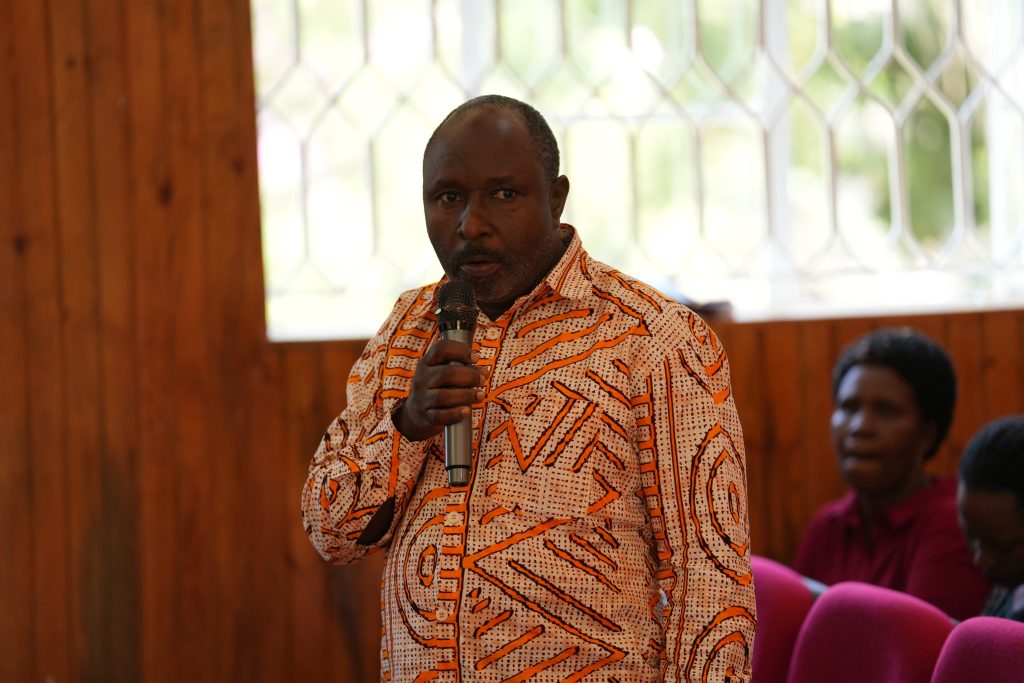
The presentation sparked an interactive discussion in which farmers shared their experiences and sought clarification on the use, performance and preservation of different seed varieties.
One farmer shared experiences with the Line 8 maize variety, comparing its performance with locally conserved seed varieties and raising questions about the long-term sustainability of improved varieties alongside indigenous seed.
Another participant sought guidance on appropriate methods of preserving and storing local seed varieties, while acknowledging the high yields and resistance to pests and diseases demonstrated by the Line 8 variety.
Responding to the concerns, Dr. Kasozi explained that improved seed varieties are developed through scientific breeding processes to enhance productivity, disease resistance and adaptability to changing production conditions. He encouraged farmers to adopt certified seed while continuing to preserve valuable local varieties.
Representing NASECO, Mr. Magala explained the quality assurance procedures involved in certified seed production and cautioned farmers against counterfeit seed. He advised farmers to purchase seed only from accredited agro-input dealers, authorised distributors and reputable seed companies. He also emphasised that quality seed must be complemented by good agronomic practices, including appropriate fertiliser application, pest management and proper crop husbandry.
Counterfeit seed and preservation emerge as key concerns
The discussions highlighted several challenges affecting farmers, with counterfeit seed emerging as a major concern. Farmers also expressed the need for greater knowledge on the preservation and storage of indigenous seed varieties and stronger community seed systems to improve access to quality seed.
Participants further called for reliable mechanisms through which farmers can verify the authenticity of seed before purchase, as well as continuous sensitisation on improved seed management and good agronomic practices.
The meeting recommended action-oriented research to identify practical solutions to counterfeit seed, alongside the establishment and strengthening of community seed systems to support local seed multiplication, conservation, exchange and access.
Stakeholders also called for stronger partnerships between Uganda Martyrs University, NARO, NASECO, local governments and farming communities, as well as continuous farmer training in seed selection, preservation, storage and quality assurance.
Among the proposed interventions was exploration of digital seed traceability systems that could enable farmers to verify the authenticity of certified seed before purchase.
Strengthening the university-community connection
Beyond disseminating research findings, the meeting demonstrated the value of creating spaces where farmers can engage directly with researchers and other agricultural stakeholders. Farmers were able to validate the findings based on their lived experiences, while researchers and partners gained further insight into the practical challenges affecting community seed systems.
For Uganda Martyrs University, the activity reflects the University’s commitment to ensuring that research contributes to tangible community outcomes. It also demonstrates the role of the TAGDev 2.0 Programme, with support from RUFORUM, in strengthening engagement between agricultural universities and farming communities and promoting evidence-based approaches to agricultural development.
The dissemination is therefore an important step towards translating research into action. By bringing together farmers, researchers, government institutions, the private sector and other stakeholders, UMU is contributing to efforts to build resilient and sustainable community seed systems that can improve farmers’ access to quality seed while supporting the conservation of indigenous varieties.