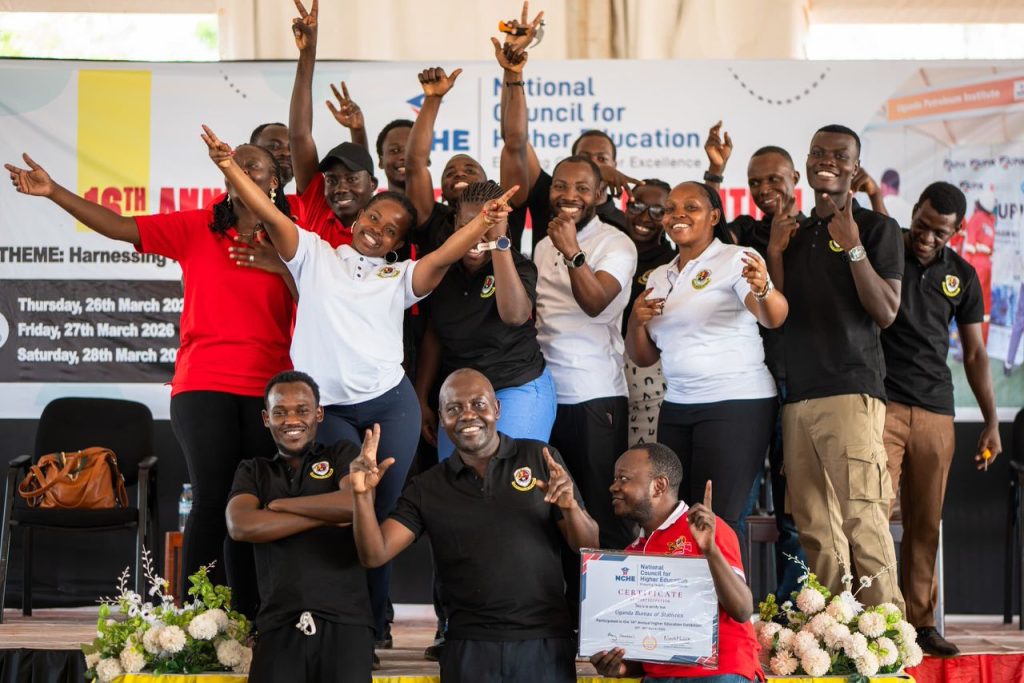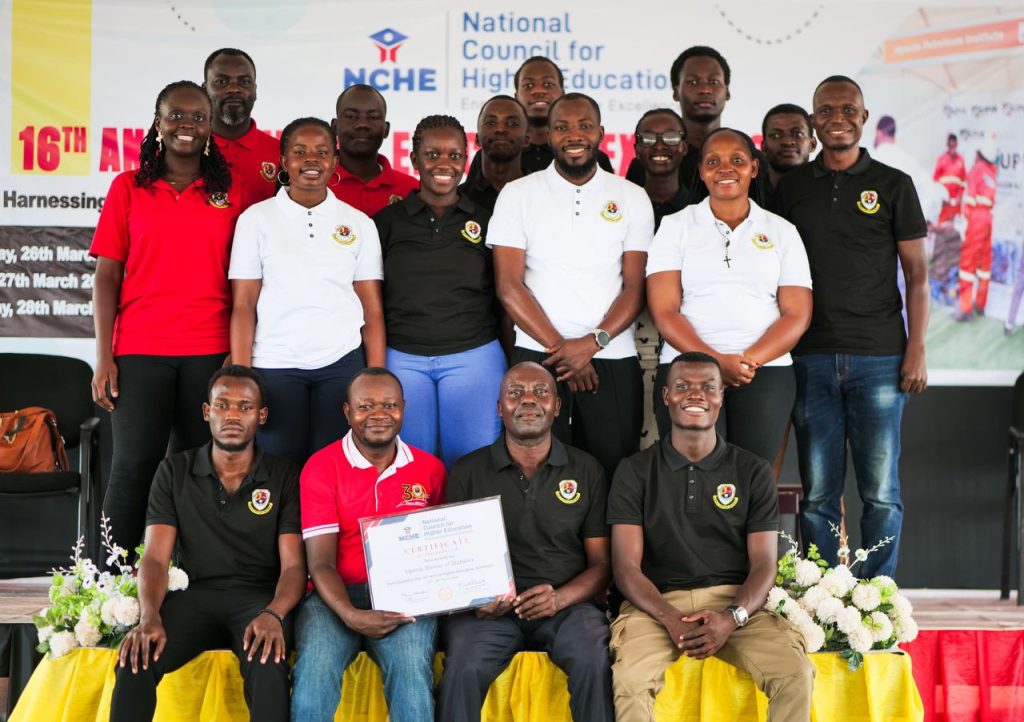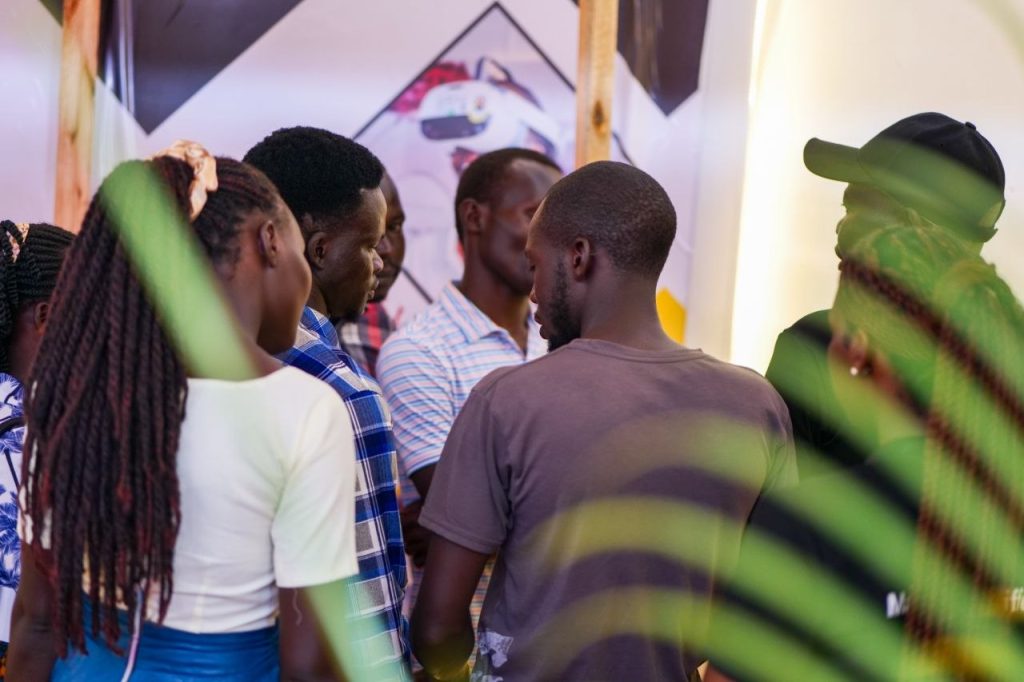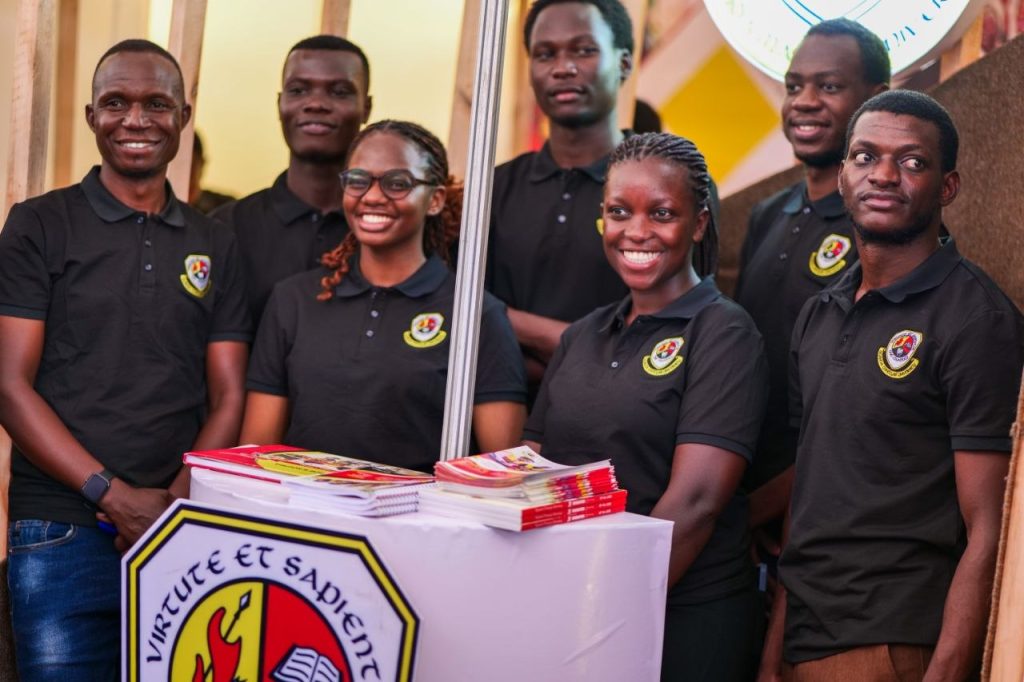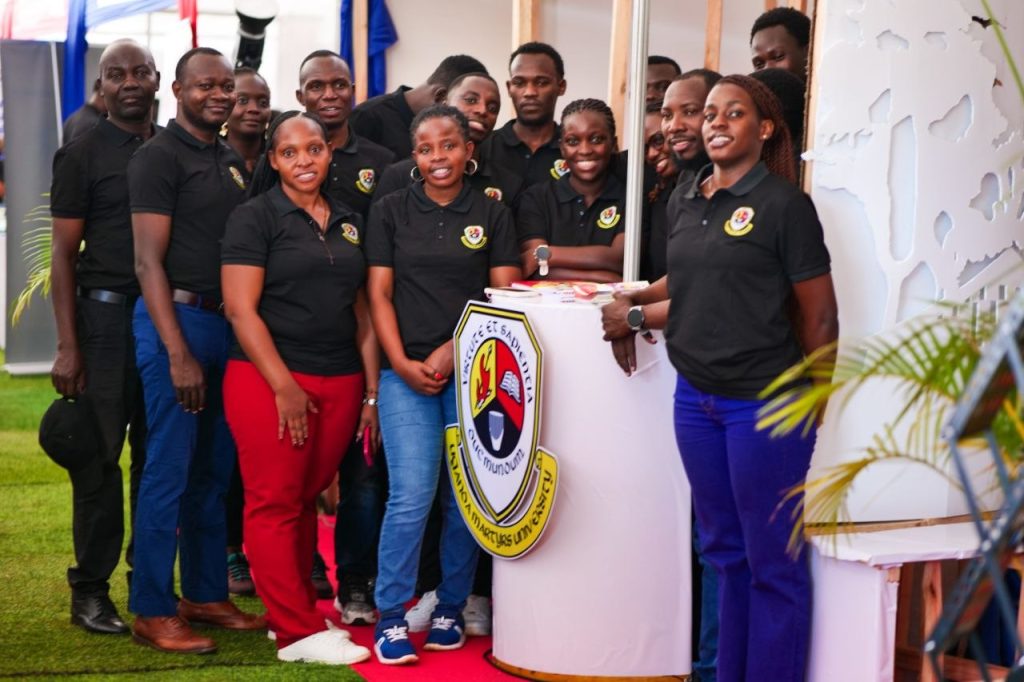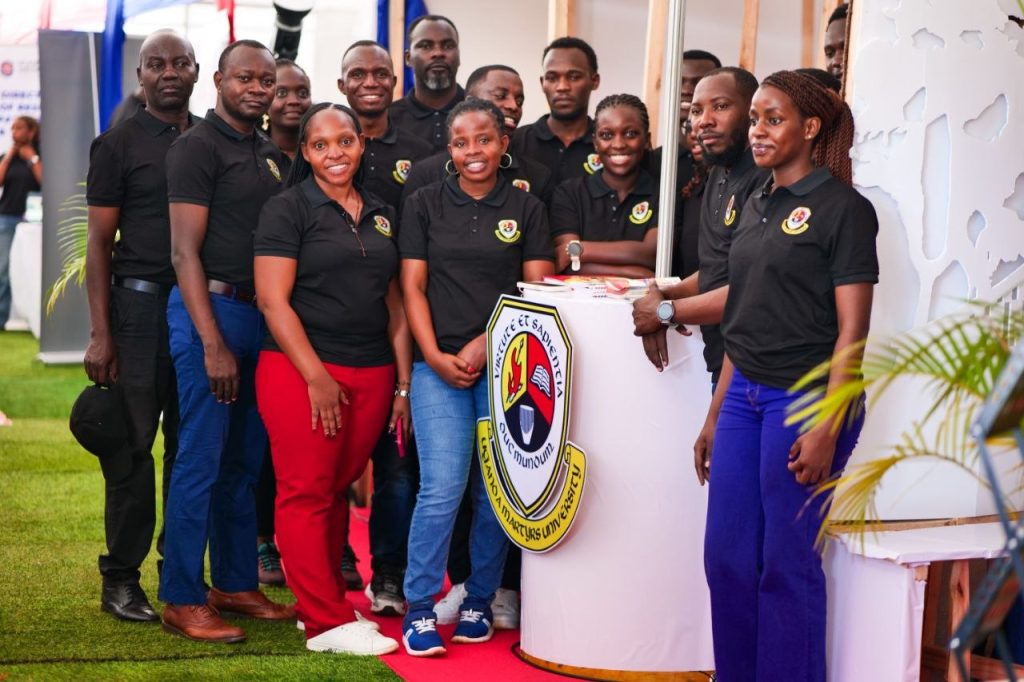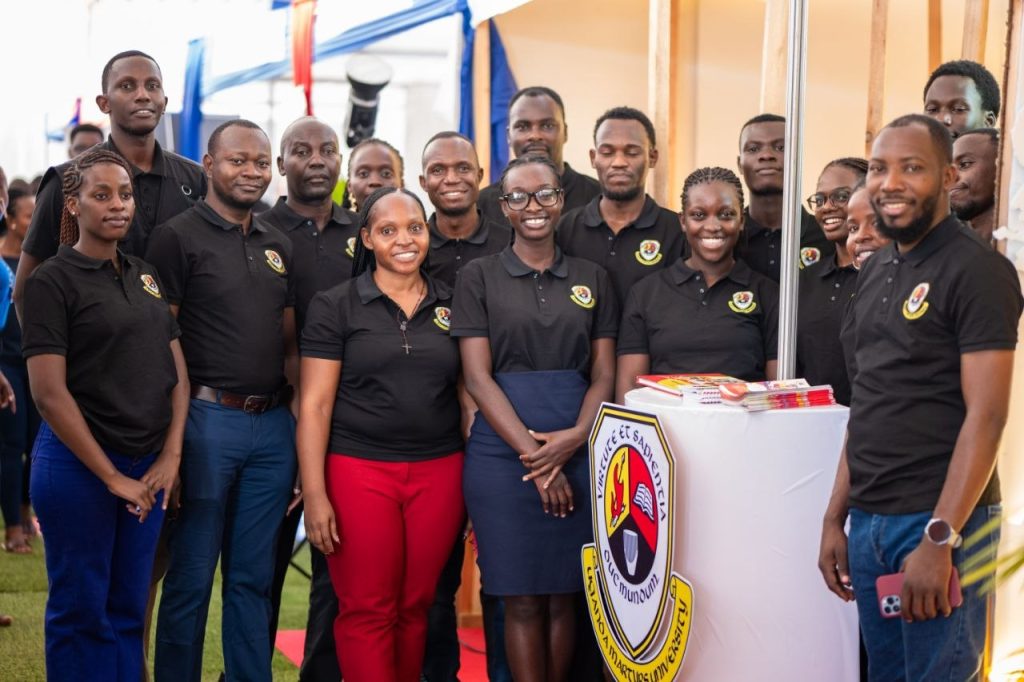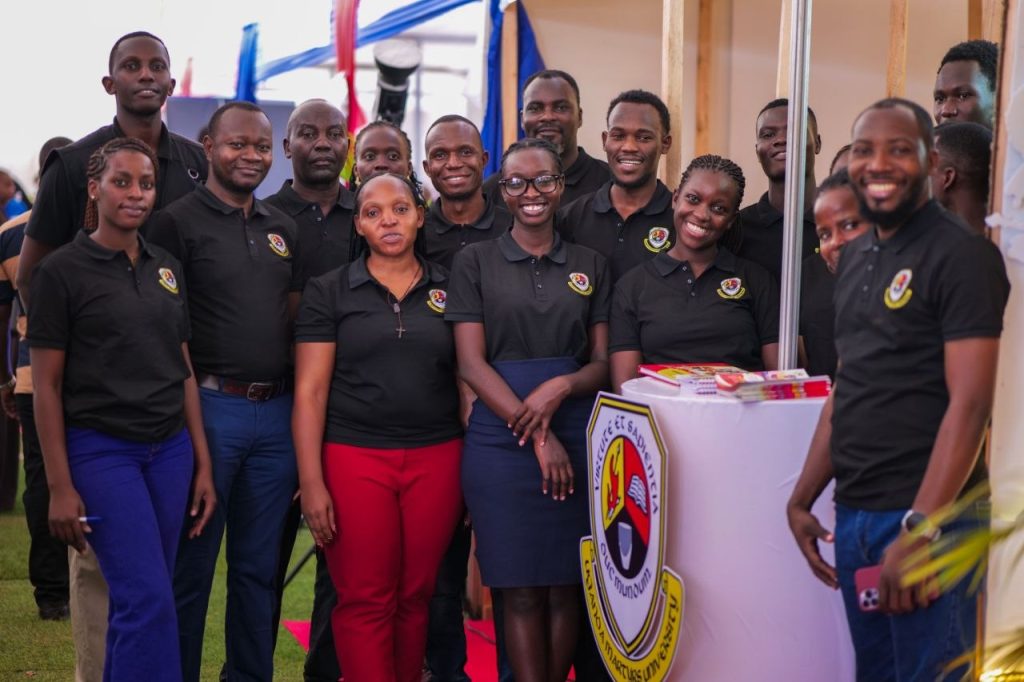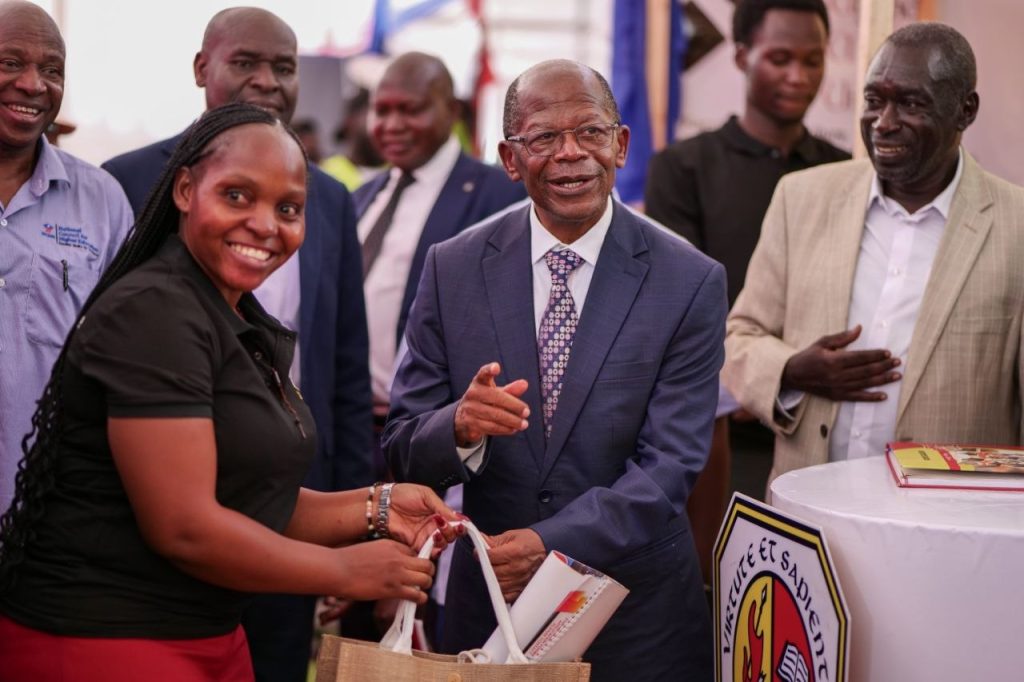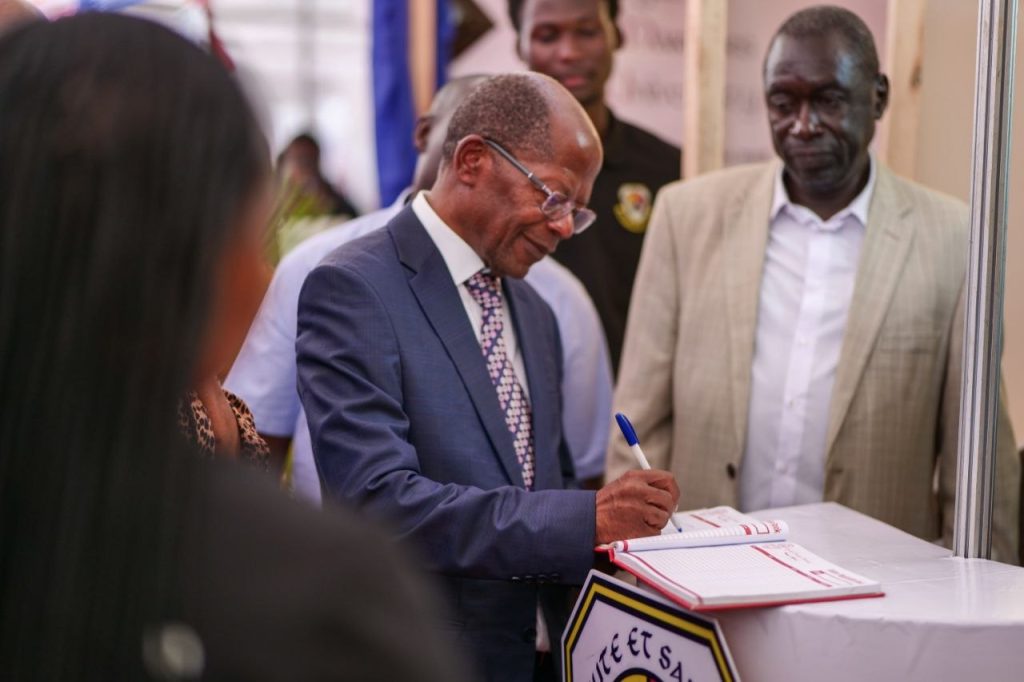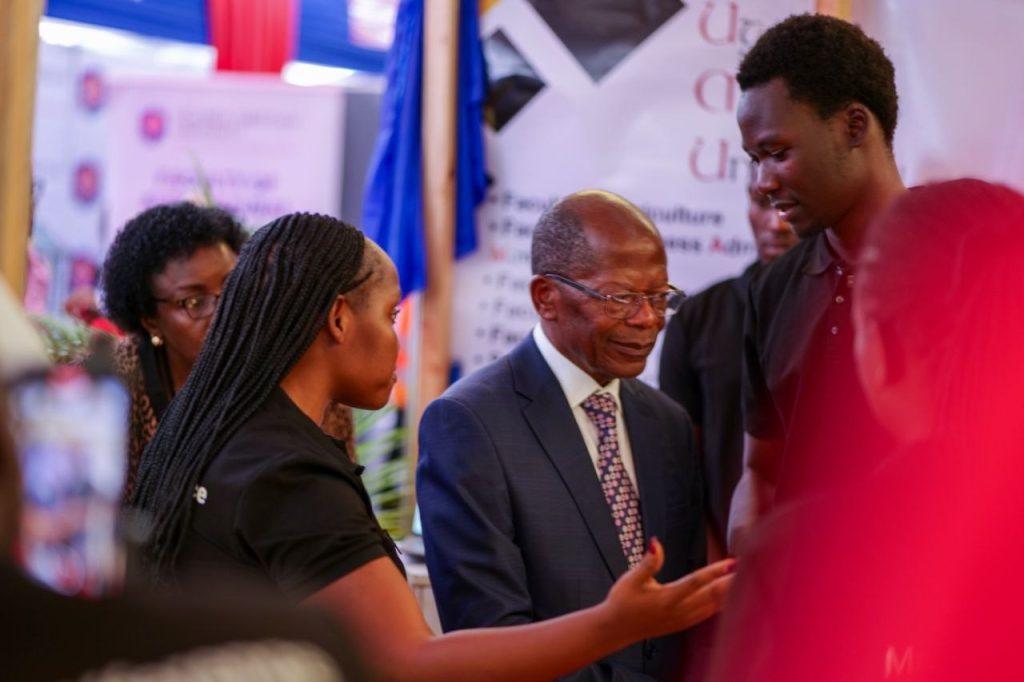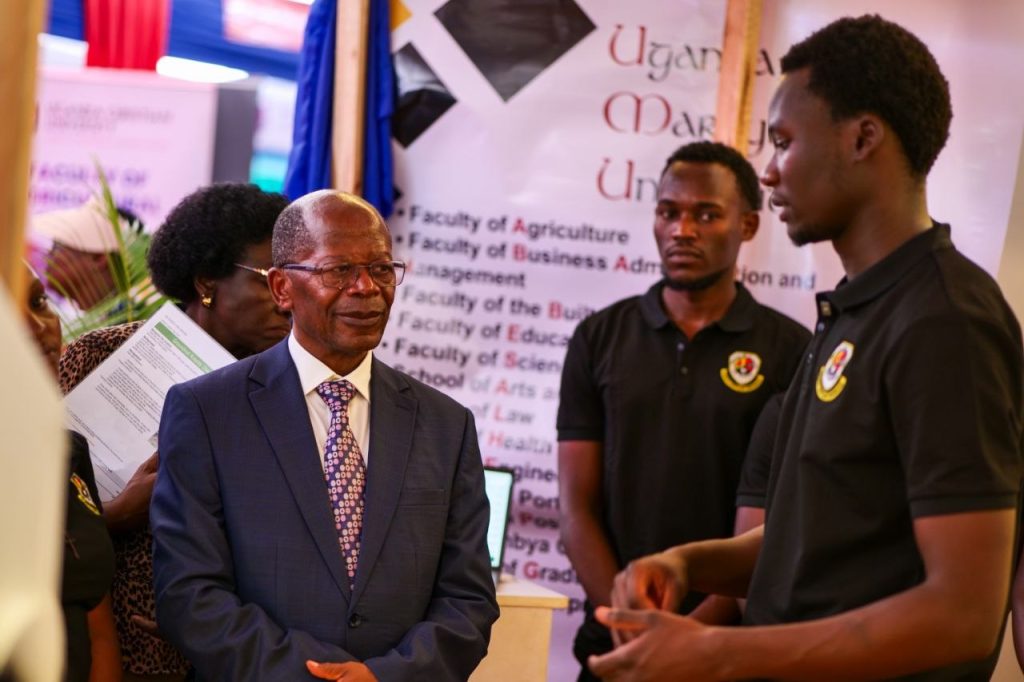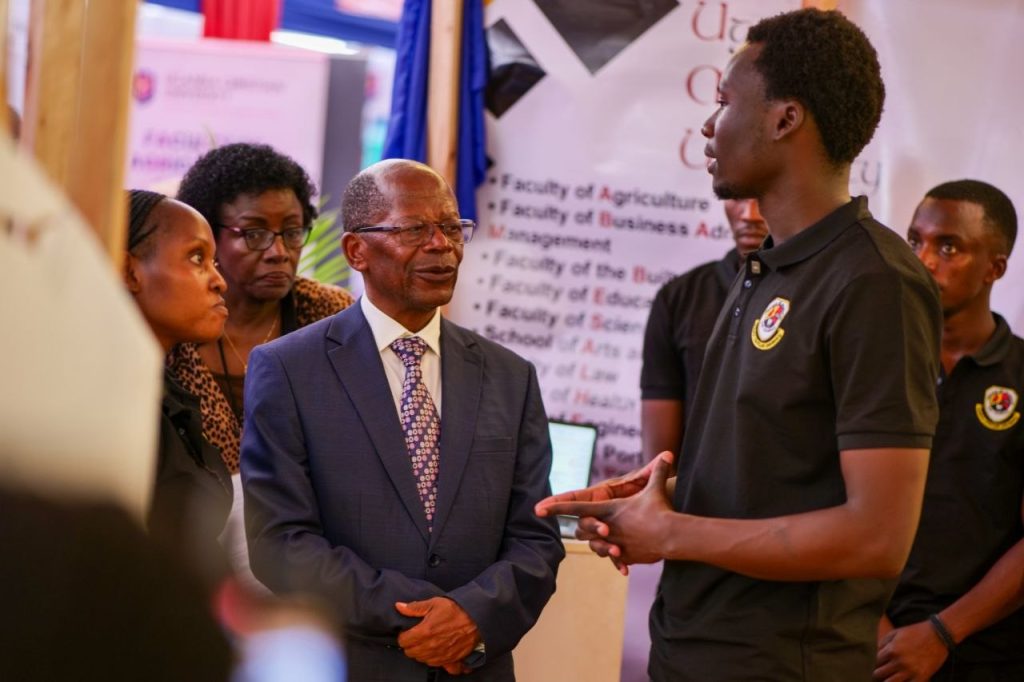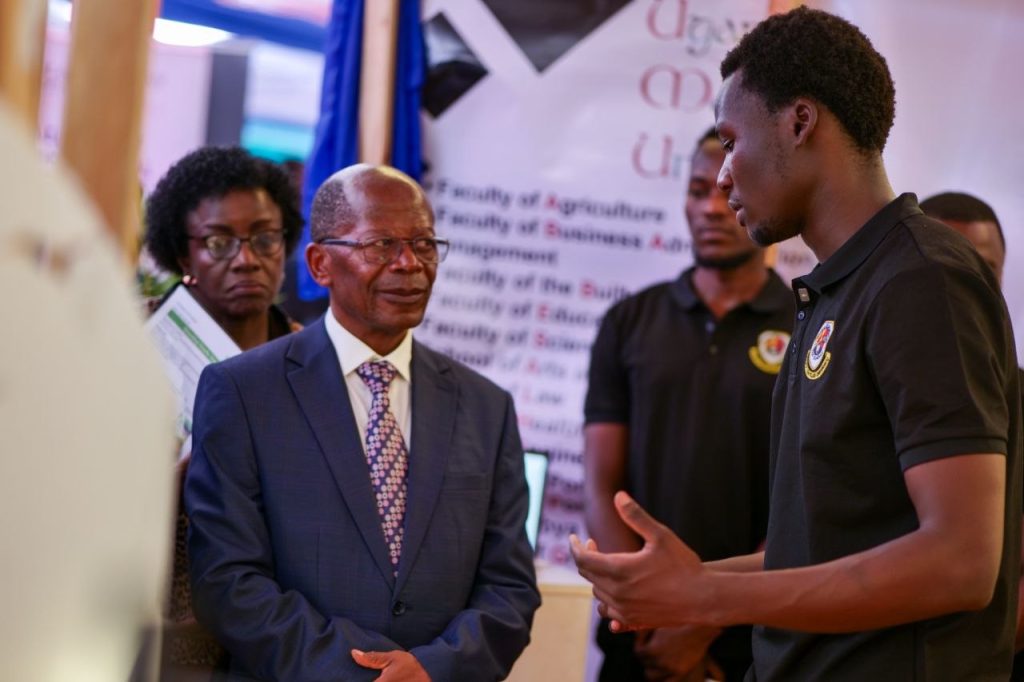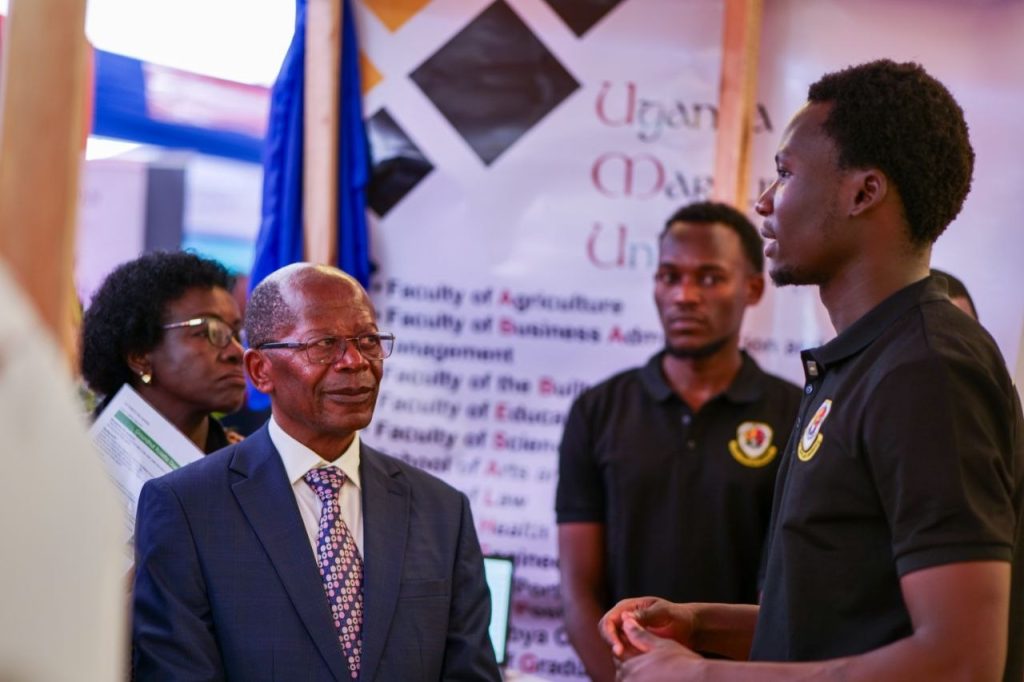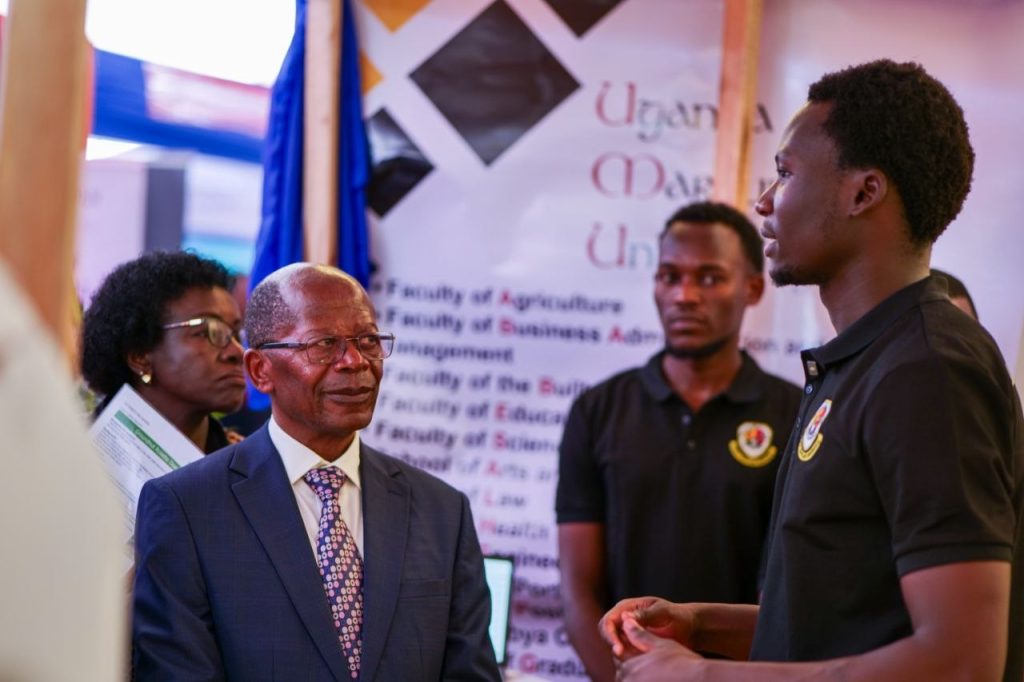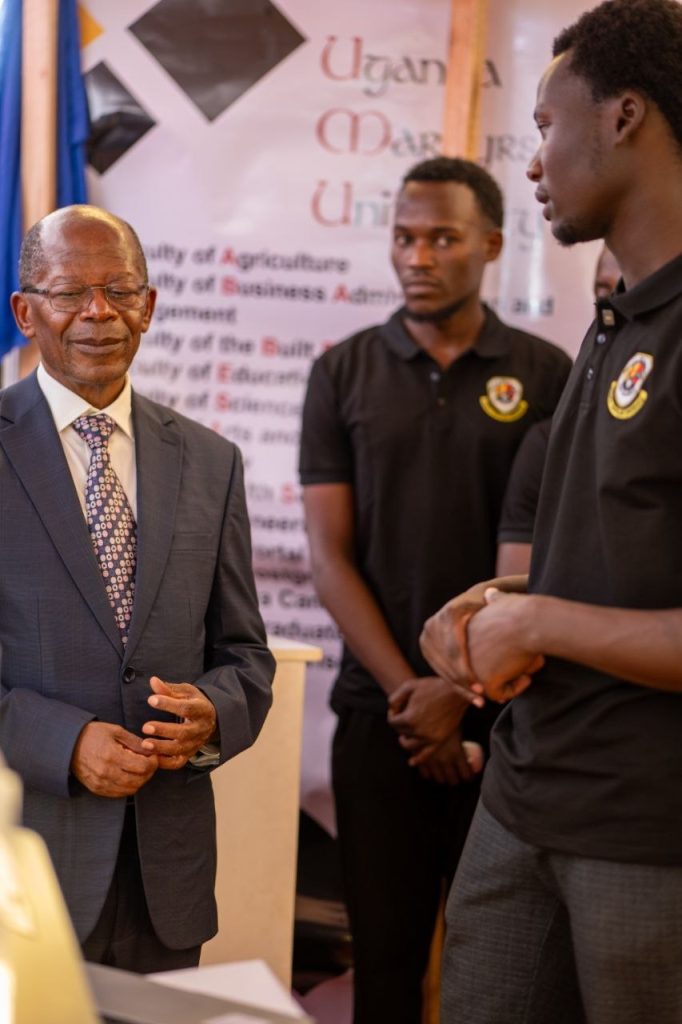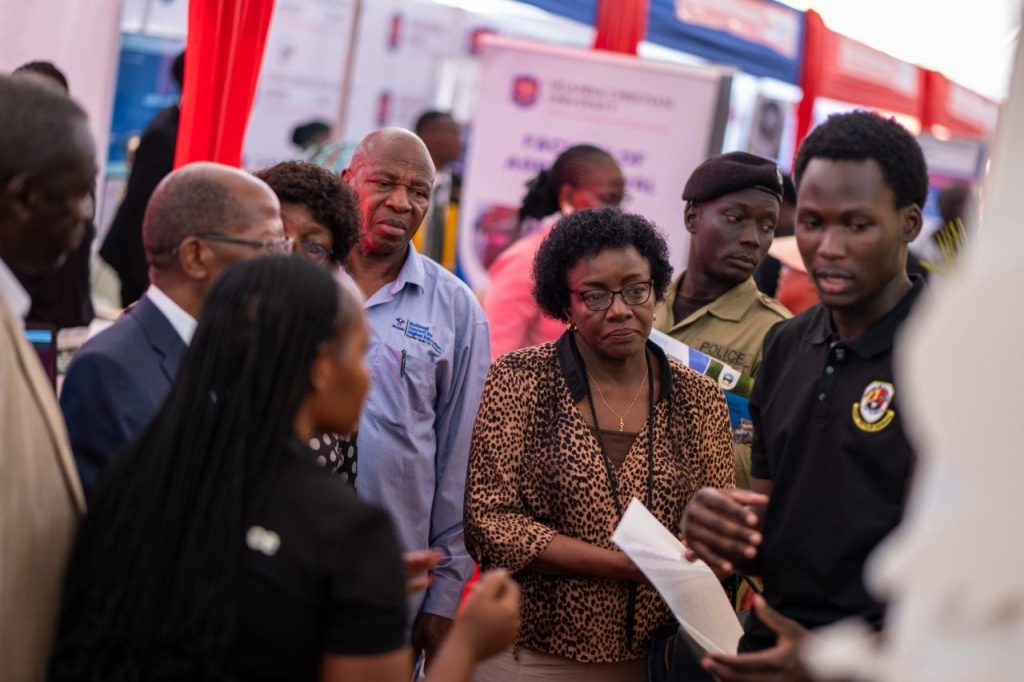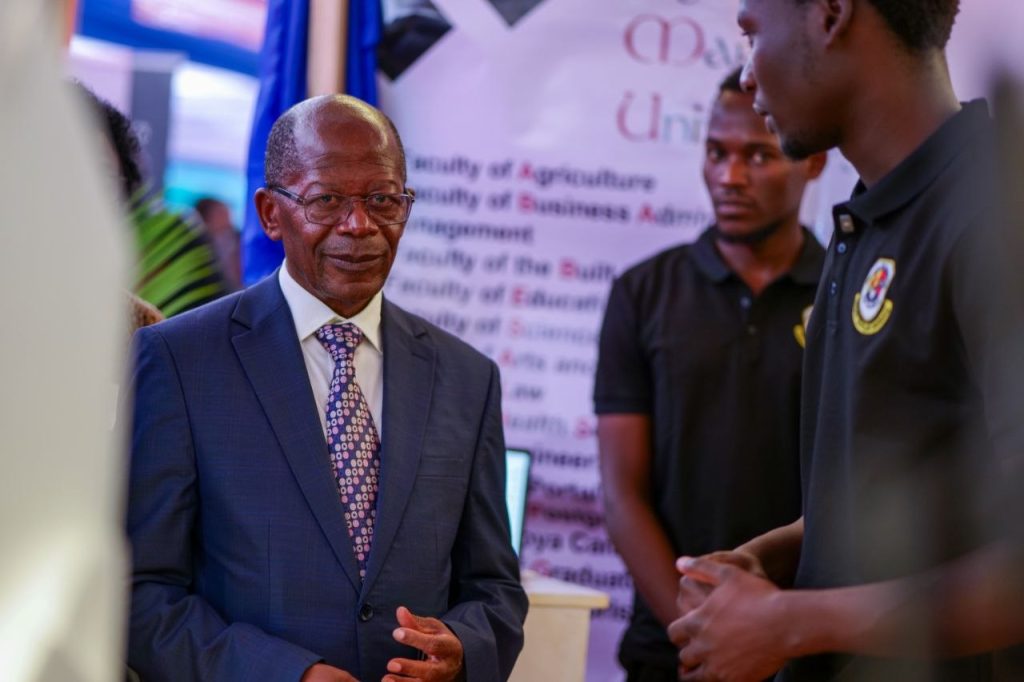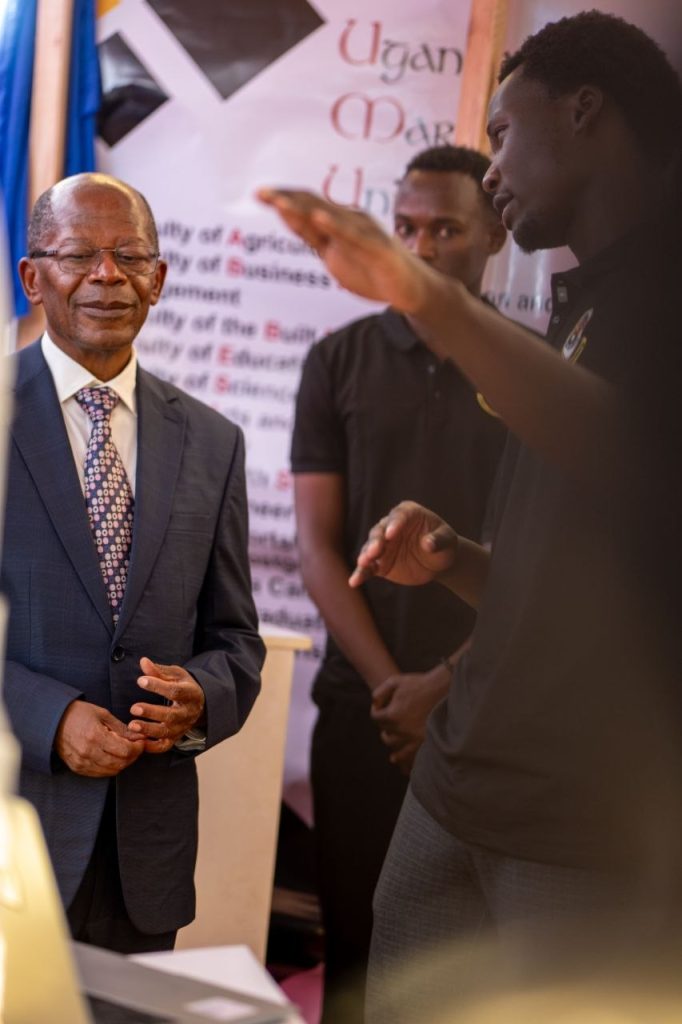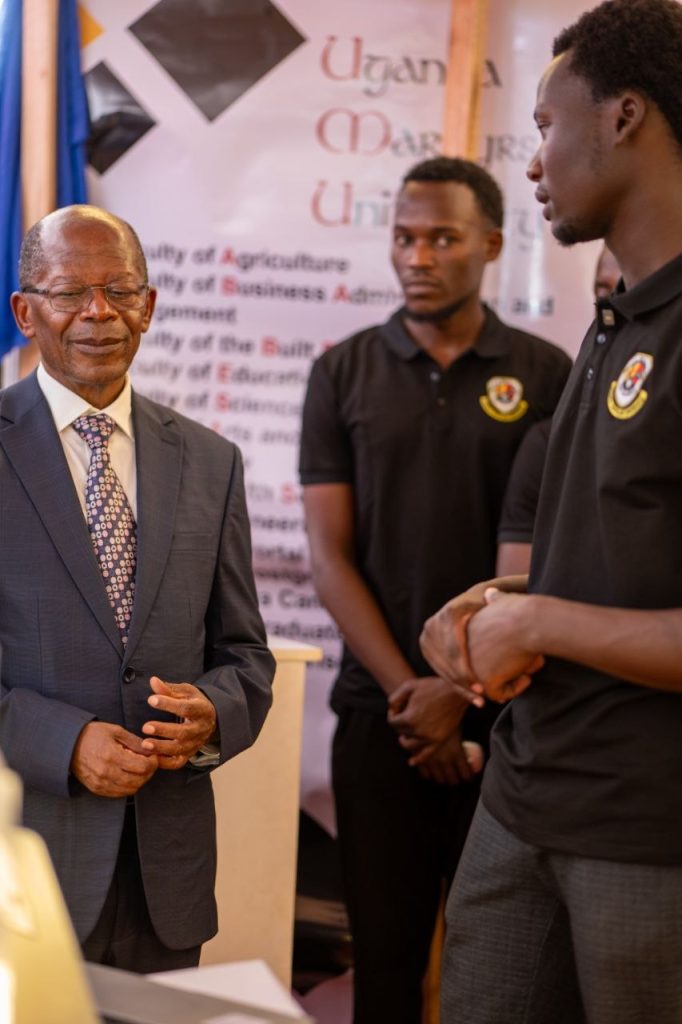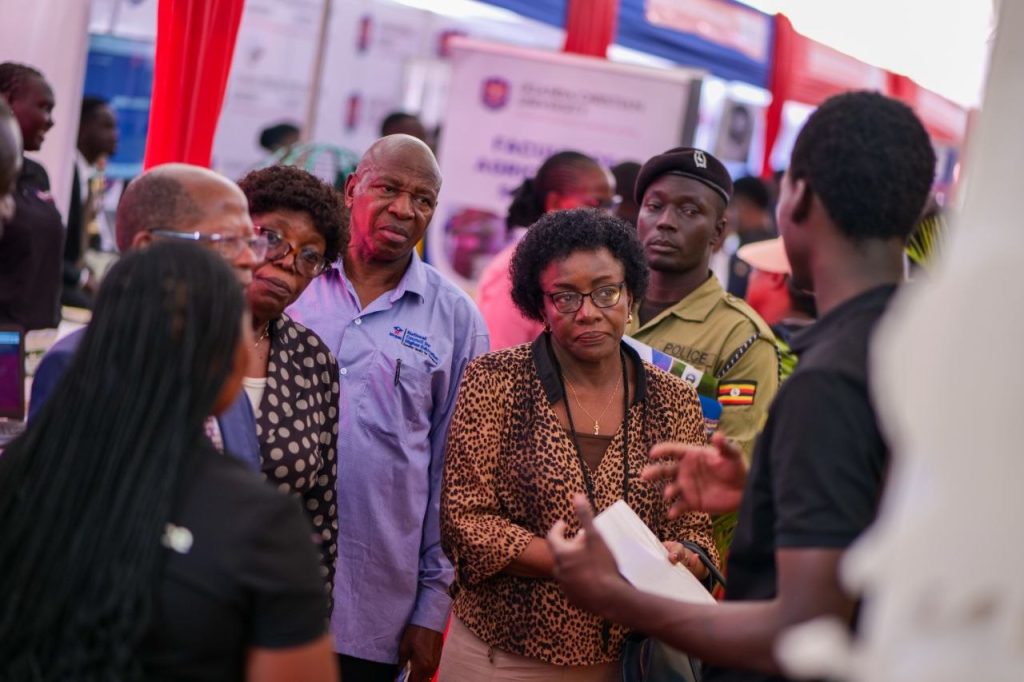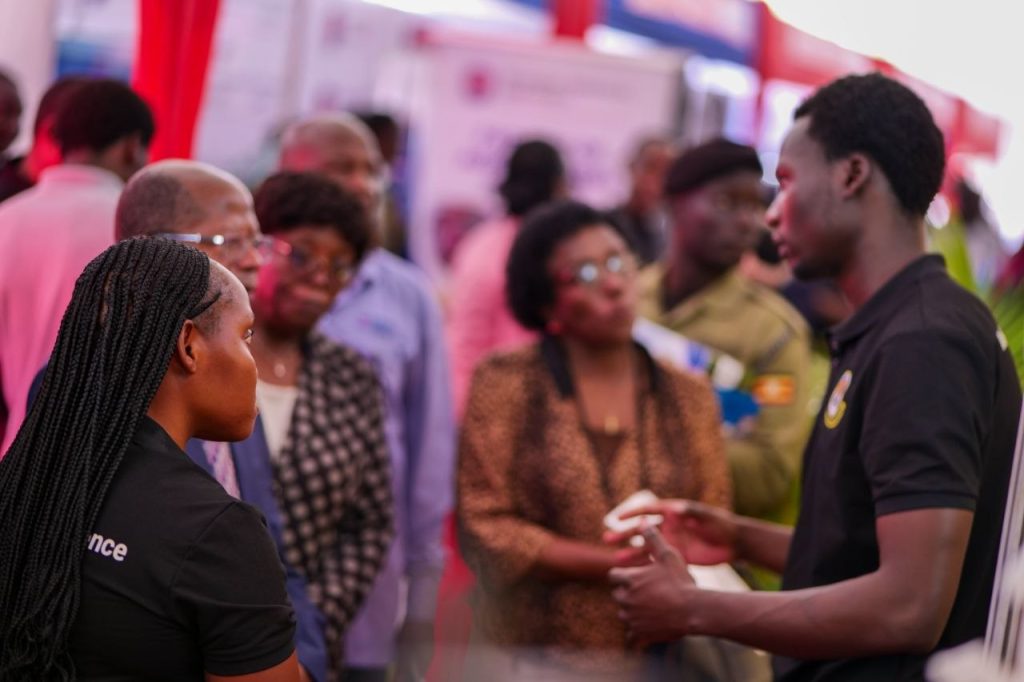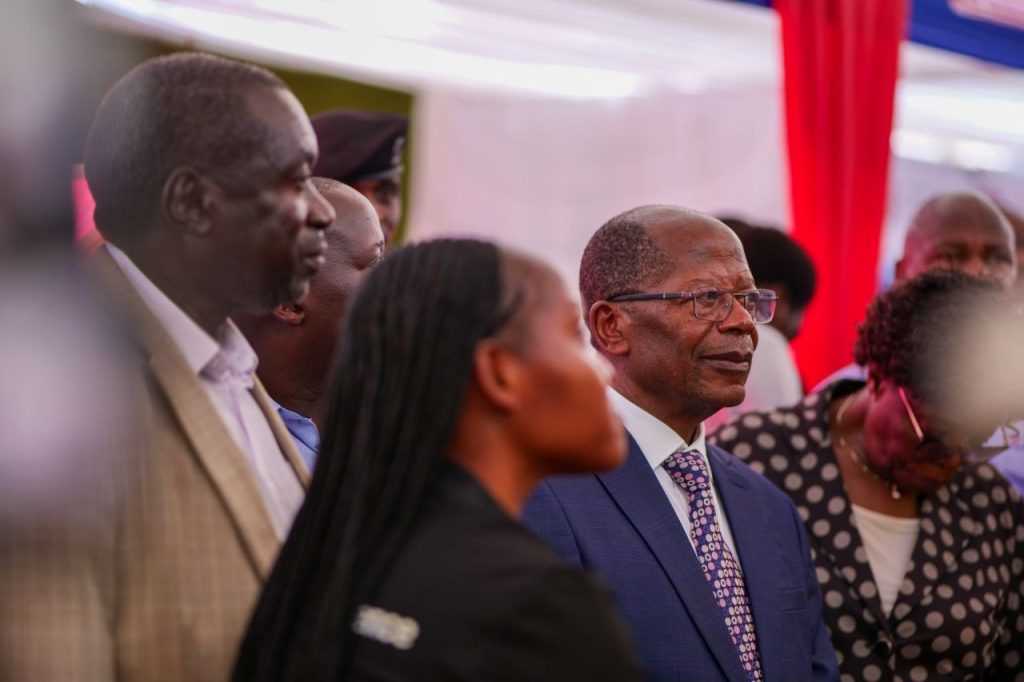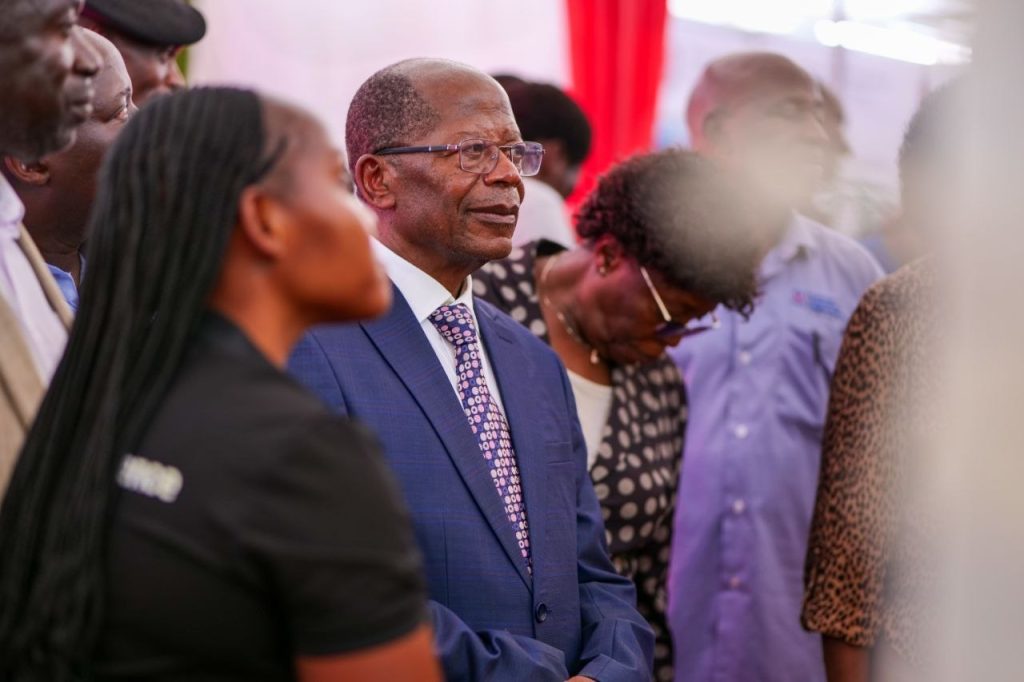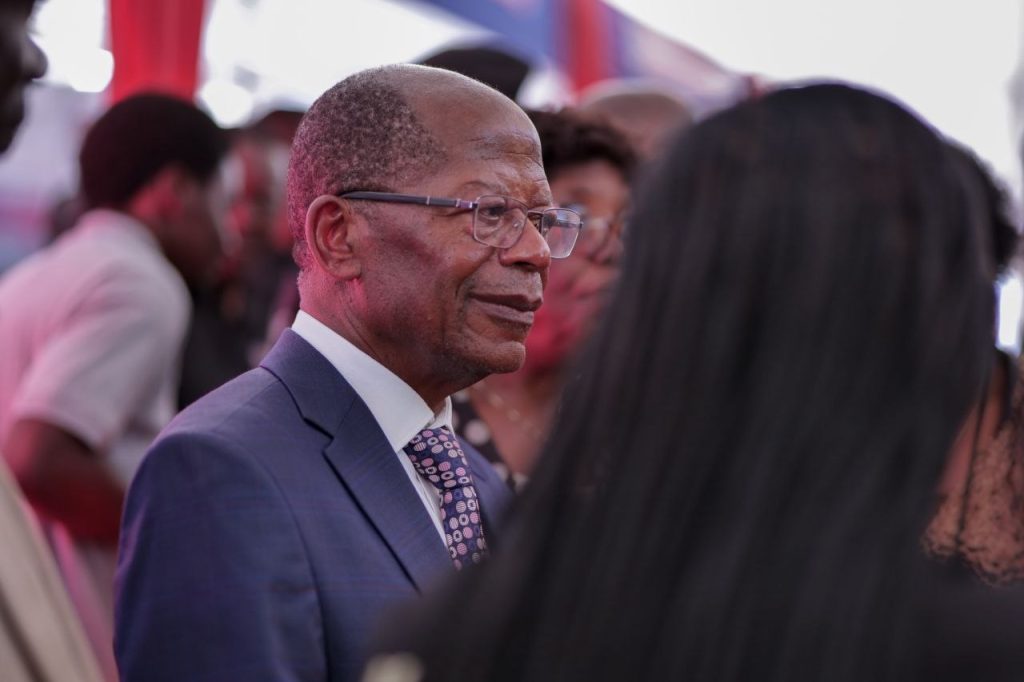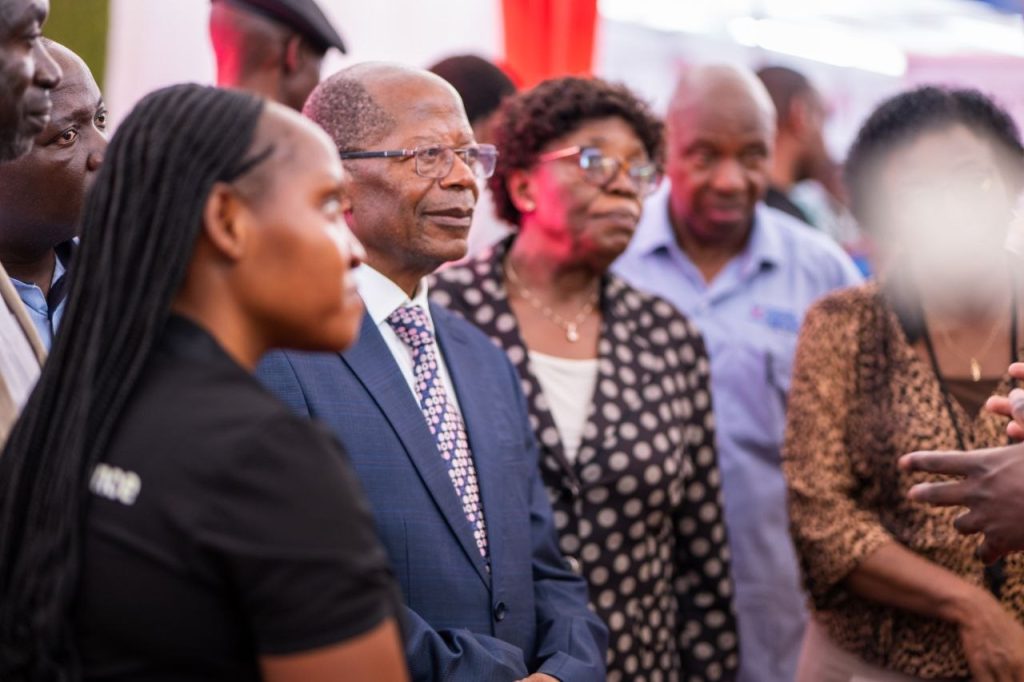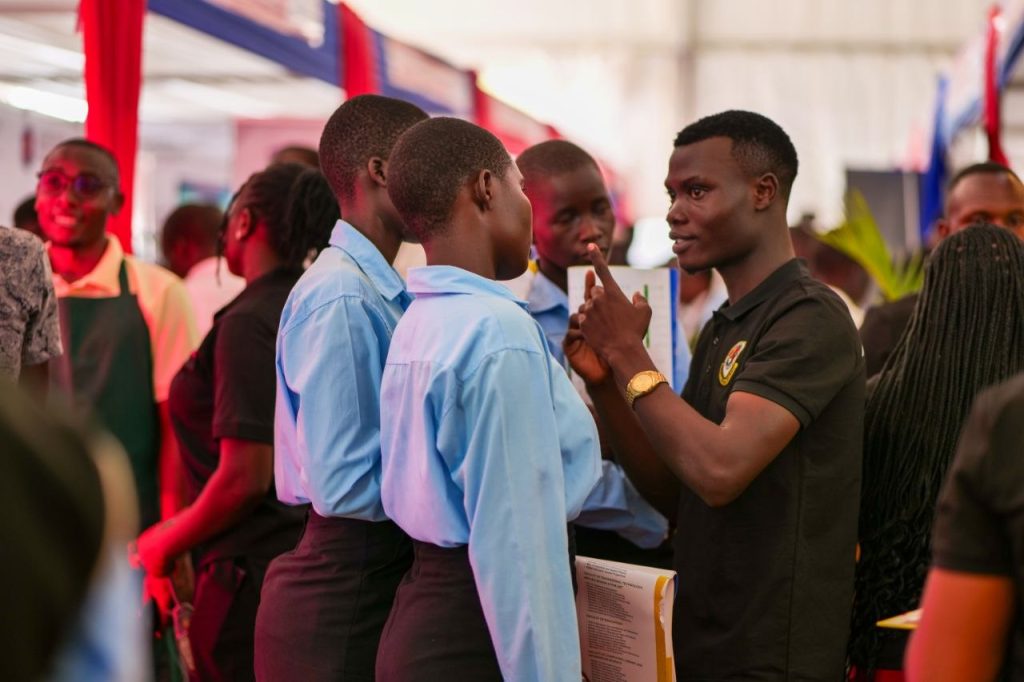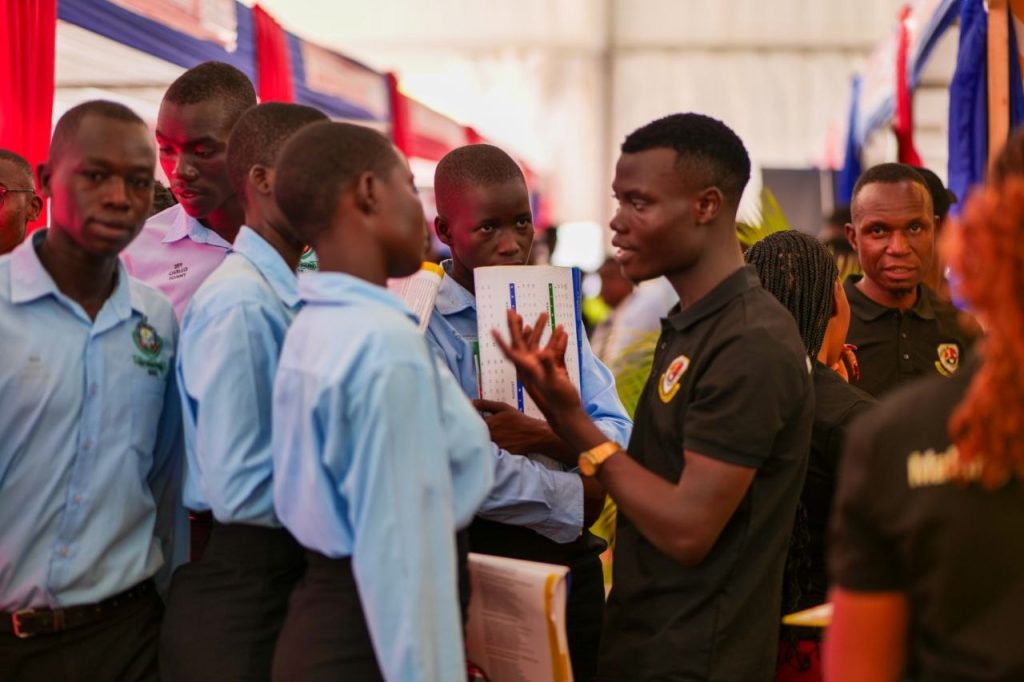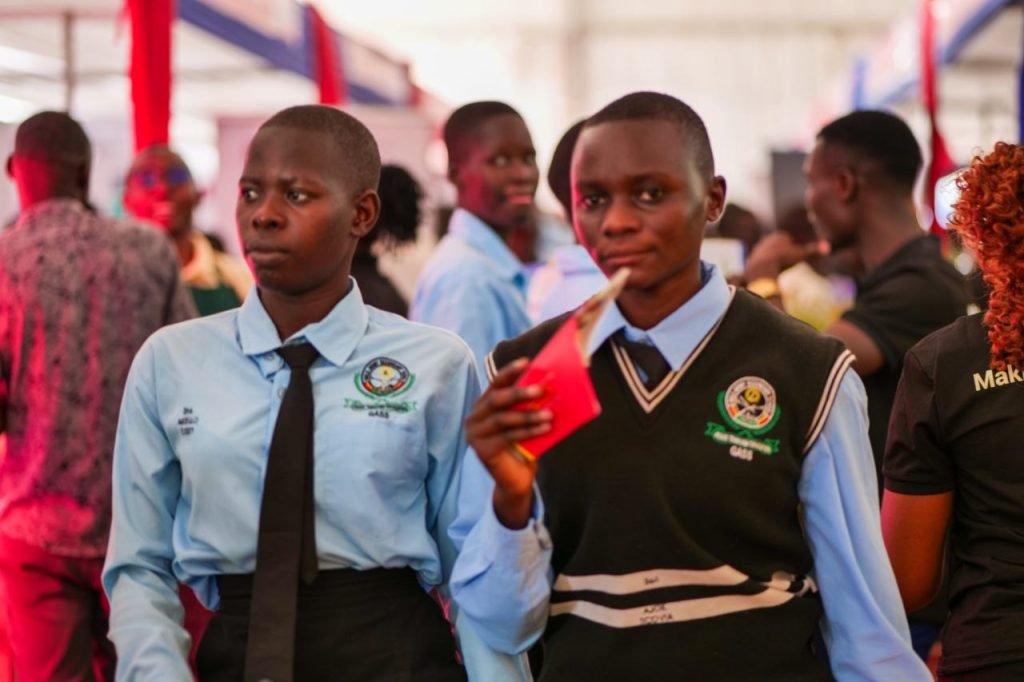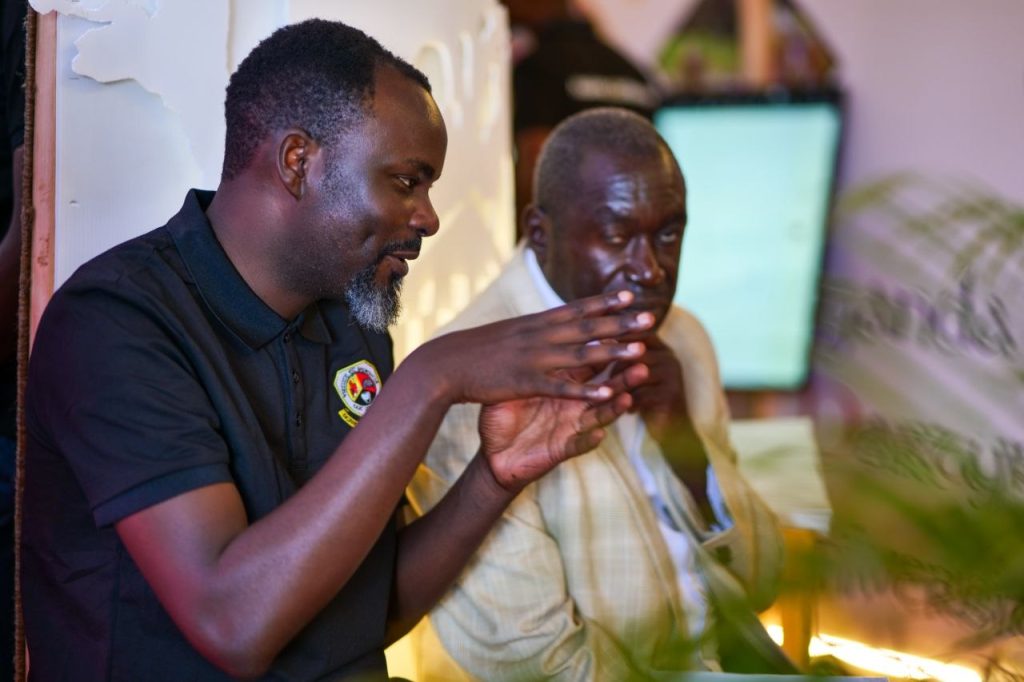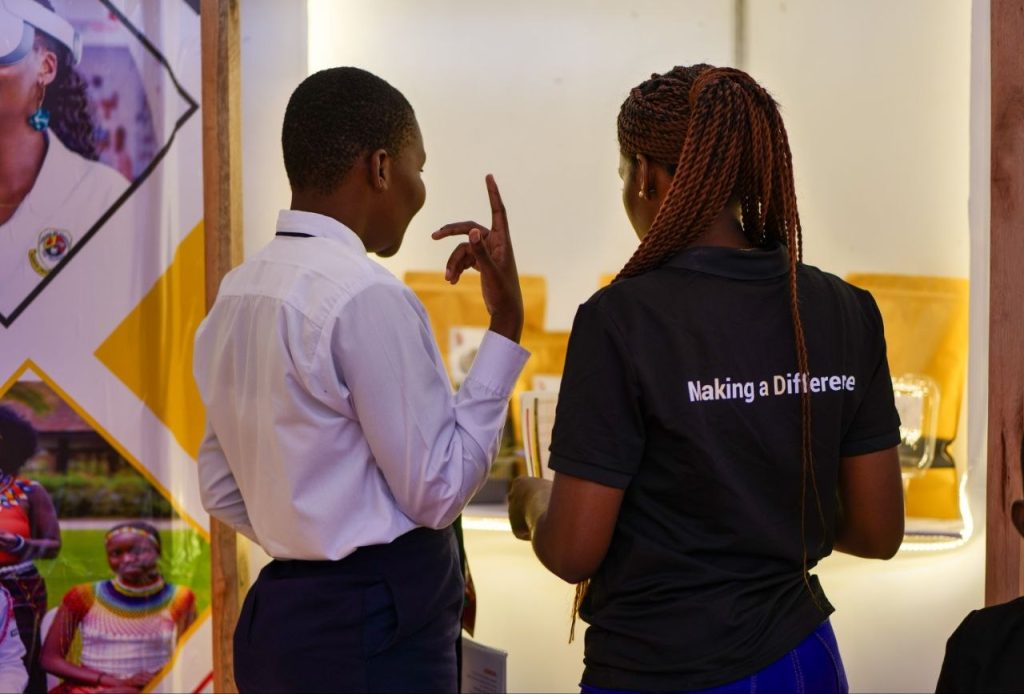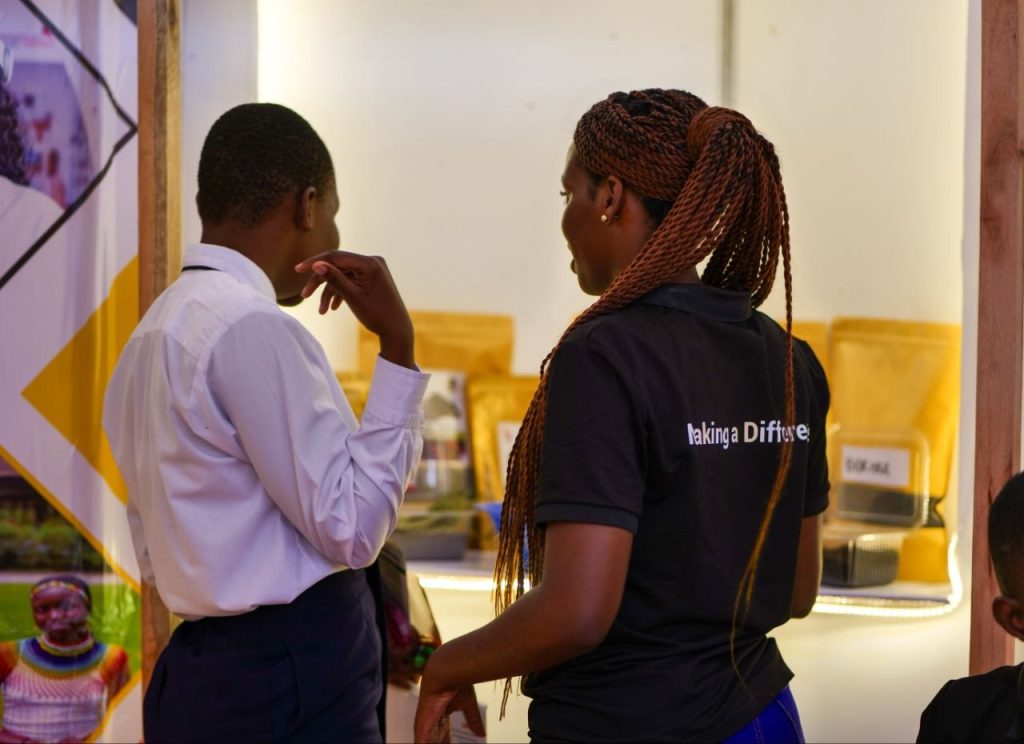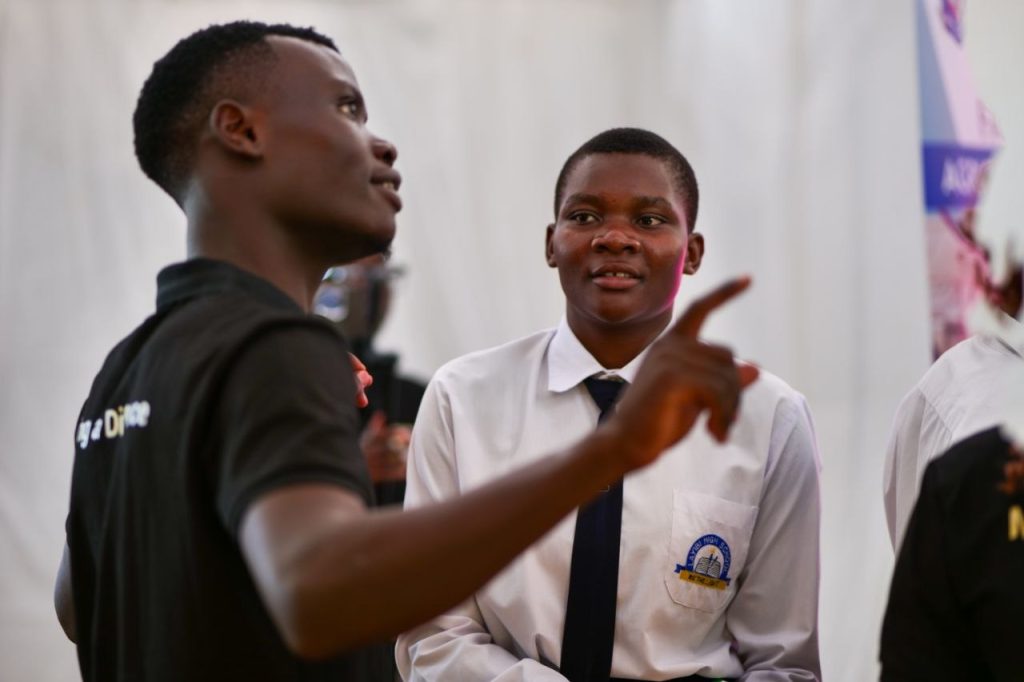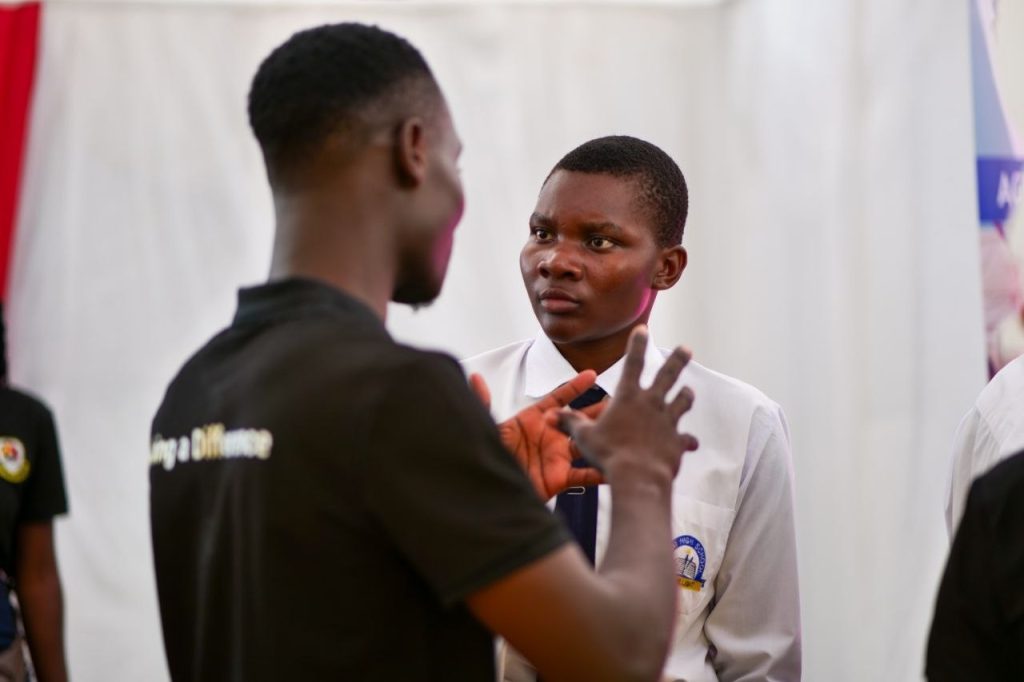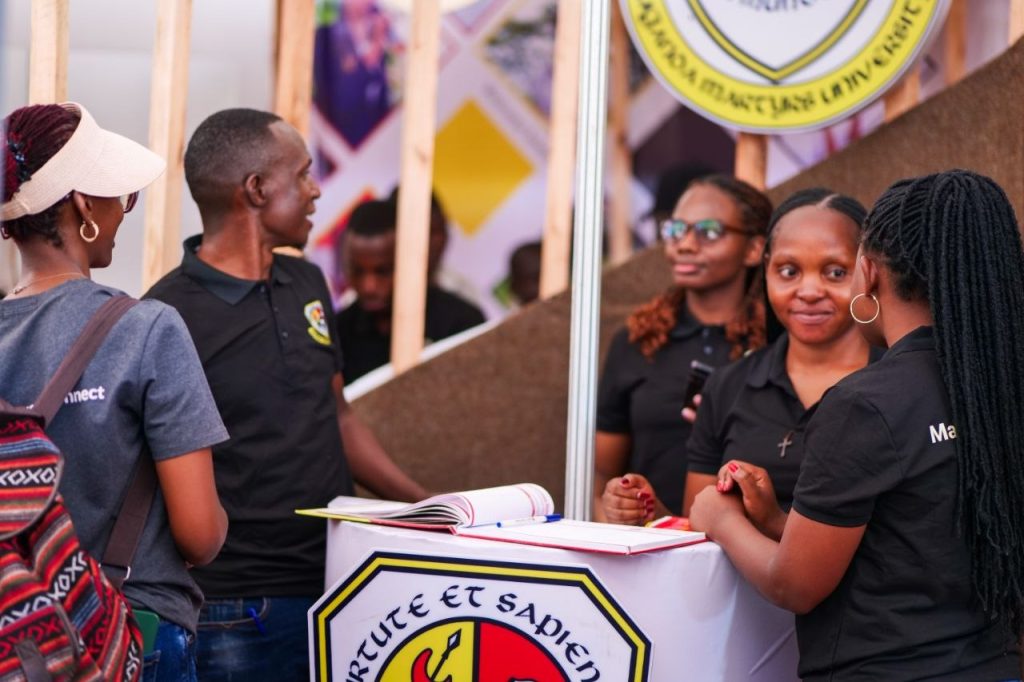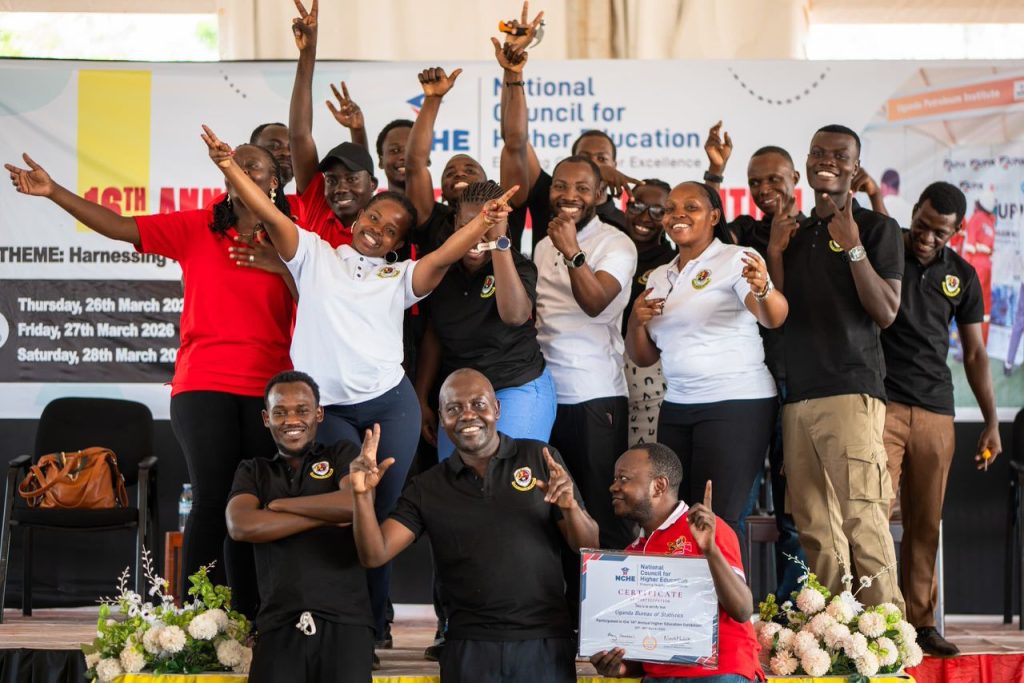
Uganda Martyrs University (UMU) has been recognized as the 3rd Best Exhibitor in the Universities category at the 16th Annual Higher Education Exhibition organized by the National Council for Higher Education (NCHE), held in Gulu from March 26–28, 2026.
Held under the theme “Harnessing Innovation in Higher Education for Accelerated Economic Transformation,” the exhibition convened universities and tertiary institutions from across Uganda to showcase transformative ideas, research outputs, and innovative approaches shaping the future of higher education.

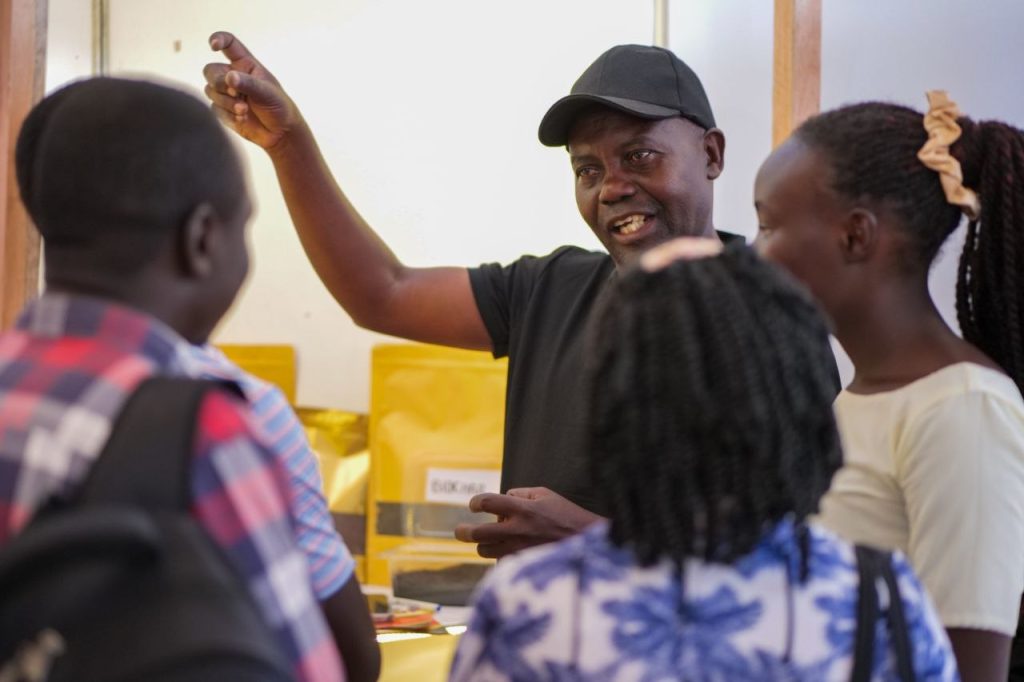
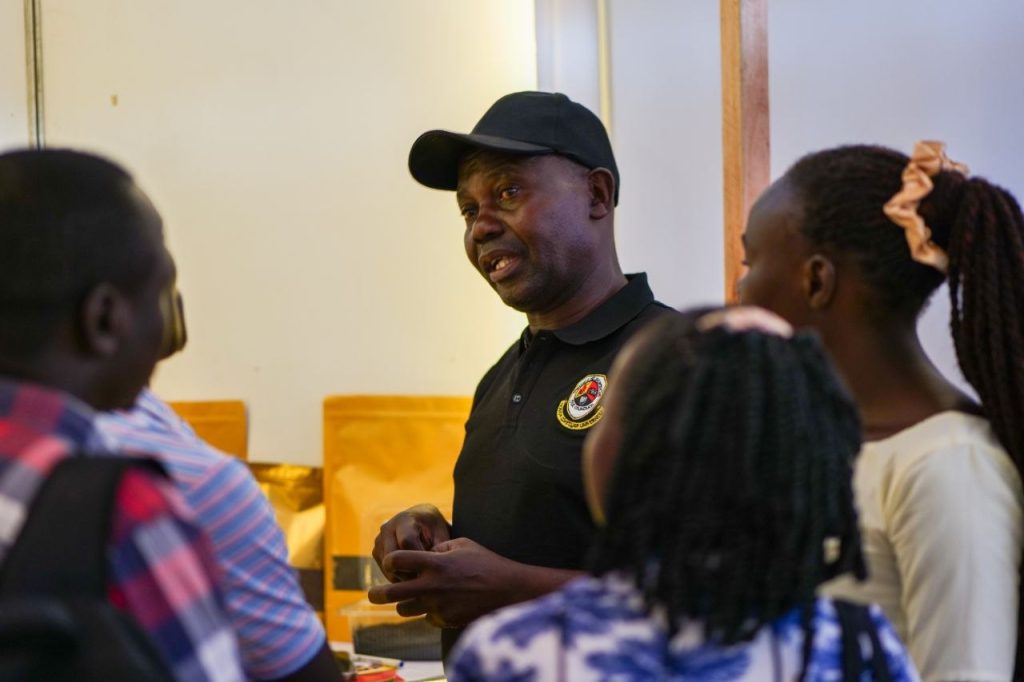
UMU’s presentation distinguished itself through a thoughtfully curated concept titled “A Journey of Growth,” which offered more than a display it delivered an experience. The exhibition was intentionally designed to mirror the transformation of a student’s life at the University, drawing inspiration from the organic growth of a tree. Through this concept, visitors were guided along a structured pathway that symbolized the progression from foundational values to intellectual and professional maturity.
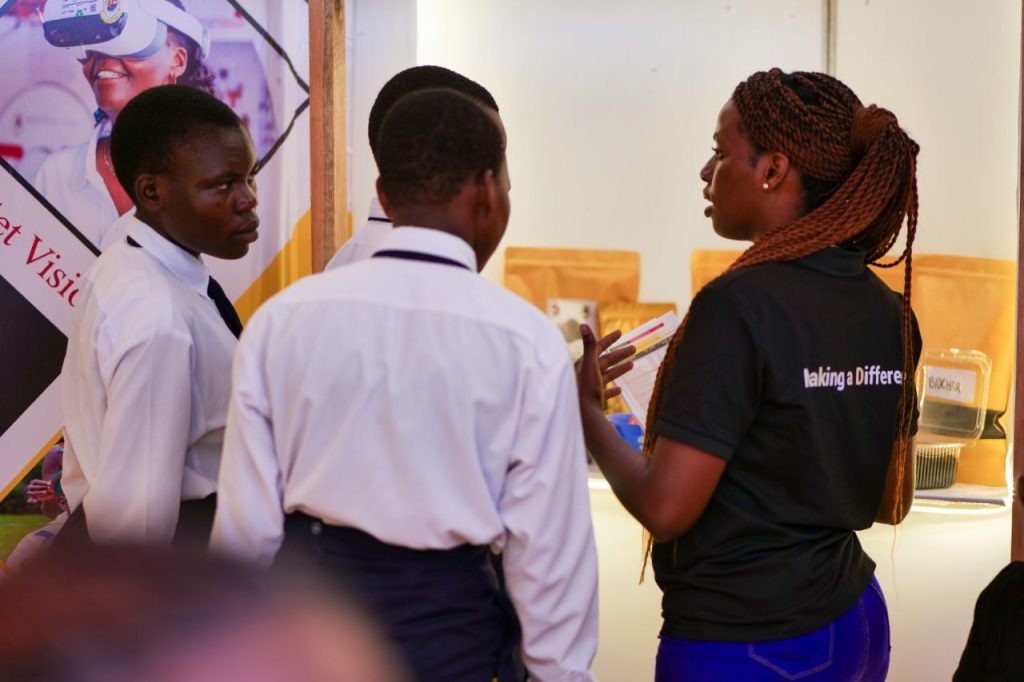
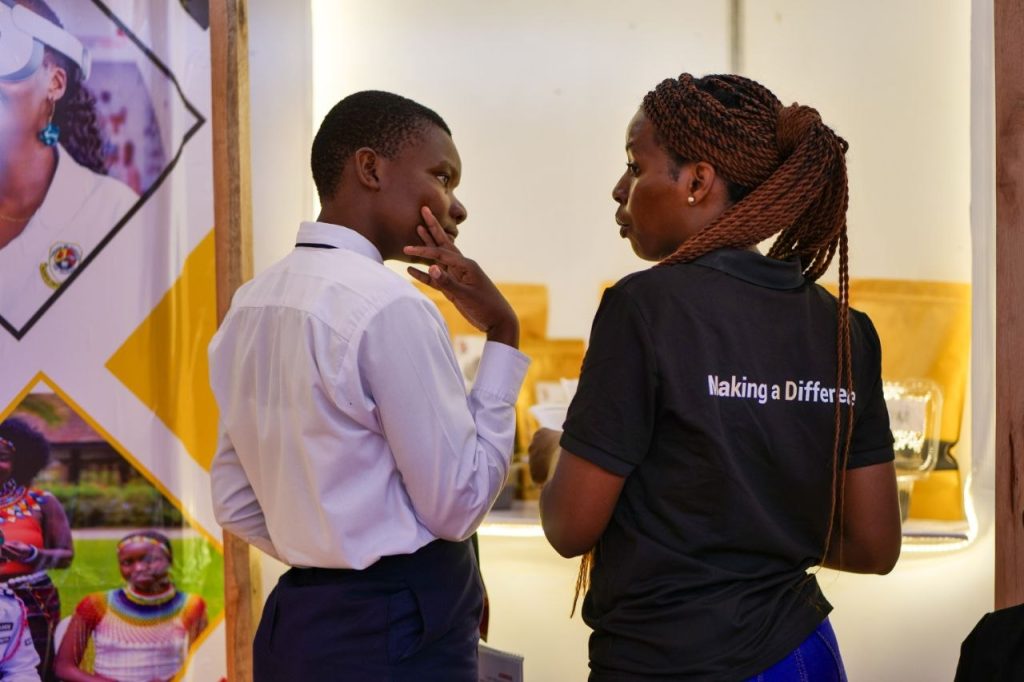
The experience began with the foundation stage, representing the “roots” of the University. This segment emphasized UMU’s identity as a values-driven institution grounded in justice, respect, honesty, equality, and human rights. The Faculty of Agriculture anchored this stage, presenting innovations in pest control, food value addition and preservation, plastic recycling, and energy-saving techniques. These projects reflected the University’s commitment to sustainability and its role in addressing community and environmental challenges.
As visitors moved forward, they transitioned into the growth and formation stage, which embodied the process of learning, discovery, and personal development. This segment, led by the Faculty of the Built Environment, was designed as an immersive space that brought the UMU experience to life. It illustrated how students are shaped through academic engagement, creativity, and exposure, reinforcing the idea that education at UMU is both experiential and transformative.
The final segment of the journey represented innovation, output, and impact the culmination of the University experience. Here, the Faculty of Science and ICT showcased a range of student-led technological solutions addressing contemporary challenges. Notable among these were the PDM Allocation and Prediction System, which leverages artificial intelligence to enhance resource allocation and investment decision-making; an Enhanced E-Commerce Platform aimed at supporting small businesses in accessing digital markets; and a Fleet Management System utilizing AI and computer vision to improve transport efficiency and safety.
These innovations highlighted UMU’s growing strength in technology-driven education, research, and entrepreneurship.
The physical design of the exhibition further reinforced the overarching concept, incorporating dynamic pathways and evolving spatial forms to symbolize that growth is continuous, non-linear, and purpose-driven. This intentional design invited visitors to not only observe but to engage, reflect, and connect with the University’s educational philosophy.
This recognition reflects a collective effort of UMU’s students, academic staff, and leadership in advancing a model of higher education that integrates ethical grounding with innovation and practical application. It reflects a shared commitment to producing graduates who are not only knowledgeable but also adaptable, creative, and responsive to societal needs.
Participation in the NCHE Exhibition remains a vital platform for Uganda Martyrs University to showcase its contributions to national development while benchmarking with peer institutions. As the demands of higher education continue to evolve, UMU remains steadfast in its mission to provide quality education that is relevant, impactful, and rooted in values.
The University’s achievement at this year’s exhibition further strengthens its position as a forward-thinking institution, where innovation, sustainability, and holistic development are central to shaping the leaders of tomorrow.